The list runs from furniture that lifts the floor line to tall bookcases that pull the eye up, so the scale and the budget vary.
Whether you rent decides some of it: wall sconces can plug in or hardwire, and mirrors can lean or hang, so most ideas here adapt either way.
Floor space is the second limit, and nearly every pick here either lifts the eye up or lets it pass through.
1. Furniture on Legs
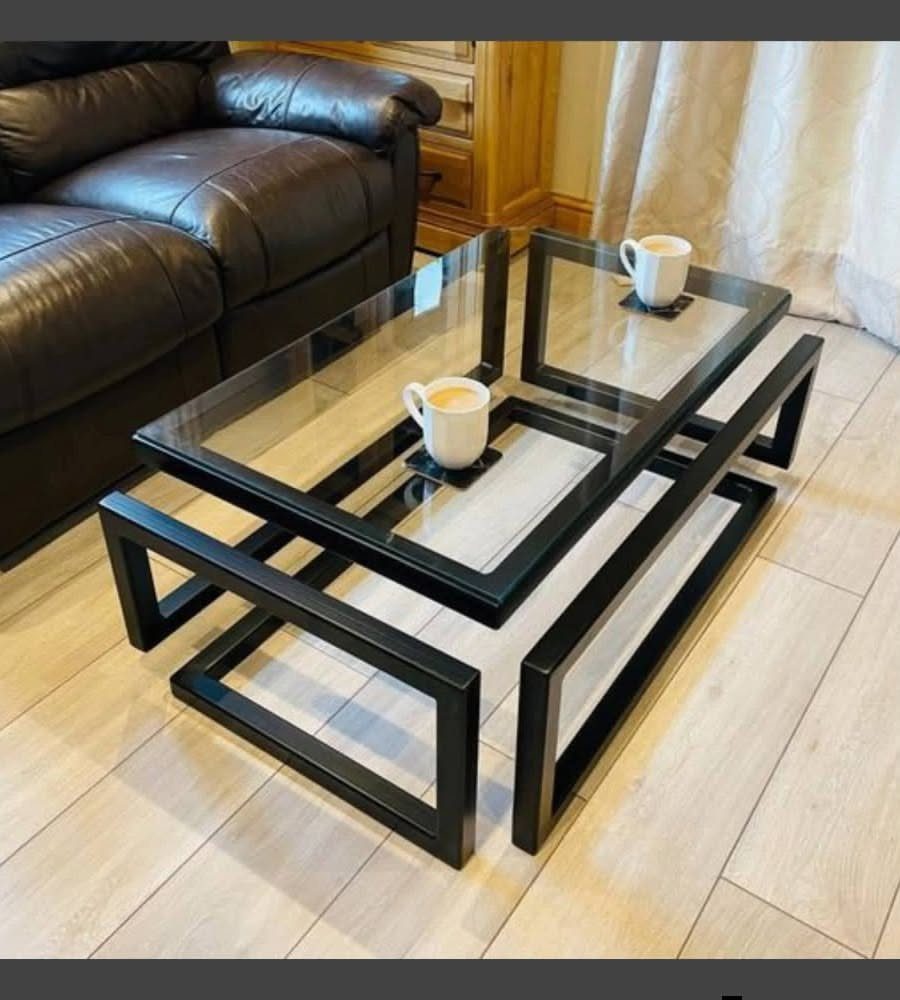
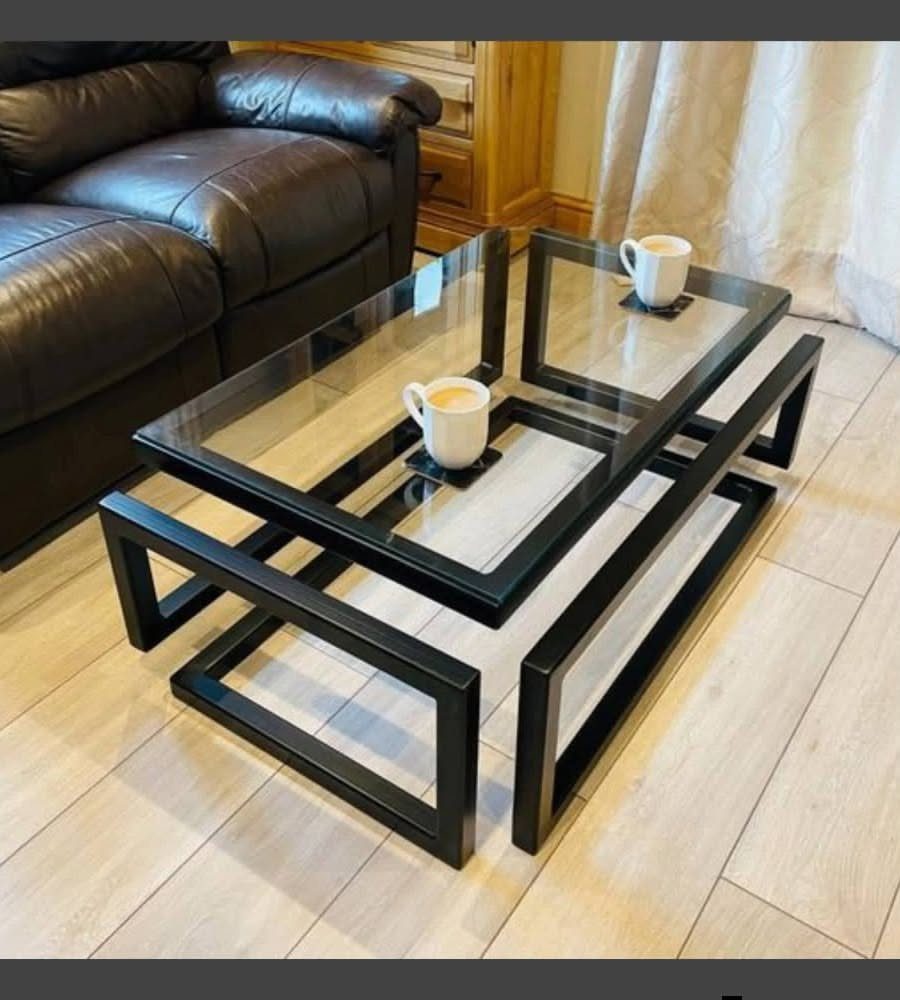
A glass top on a thin black metal frame lets the eye pass straight through the table to the floor. In a small living room, that see-through quality makes the space feel less crowded than a solid wood block would.
Visible floor under the legs does the work, so I would pick open frames over skirted or boxy pieces. A glass top shows every fingerprint, though, and mugs leave rings, so keep a cloth nearby.
2. L-shaped Sofas
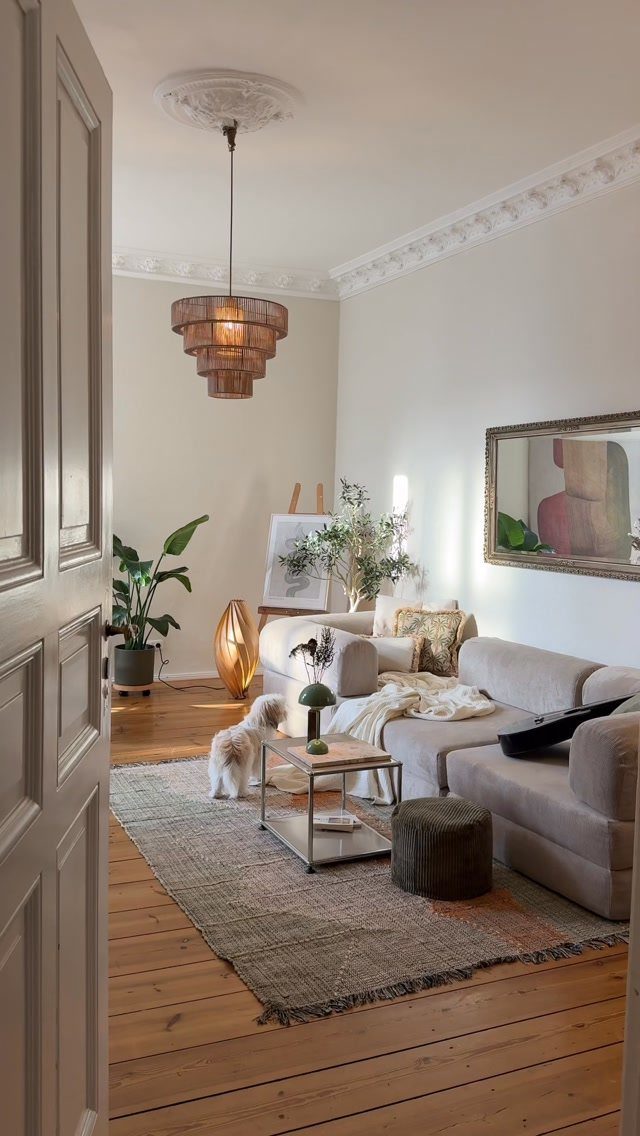
An L-shaped sofa fills a corner that otherwise goes unused, and one piece gives you seating for several people. Beige or another light shade keeps that much upholstery from feeling heavy against white walls.
Measure the corner before you shop, and tape the footprint on the floor for a day to test the walkway. A sofa this size leaves room for a slim coffee table and a rug, and I would stop there.
3. Whites and Pastels
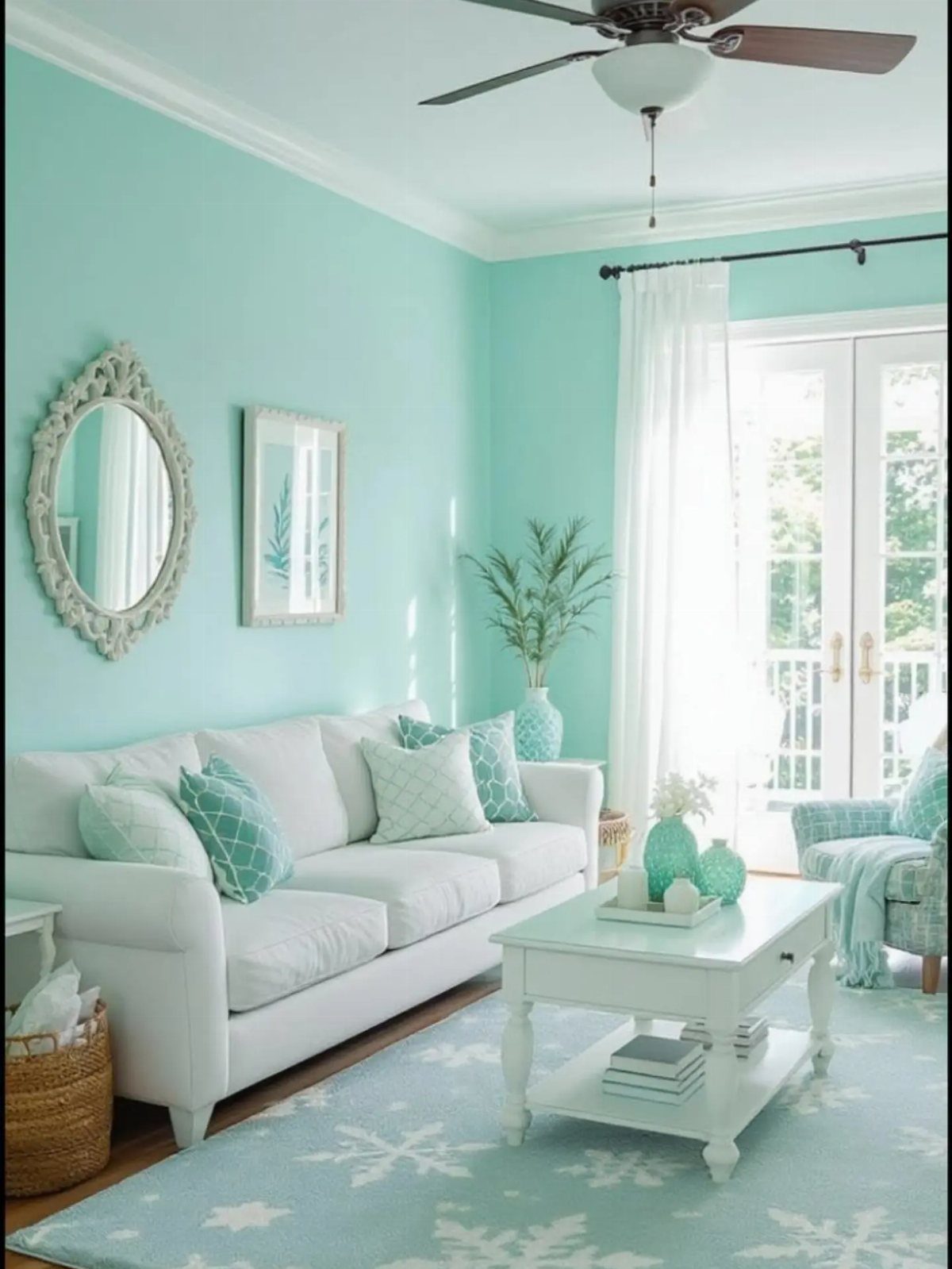
Mint on the walls with white furniture and a pale blue rug keeps a small room reading as airy instead of boxed in.
White sofas and tables fade into the background, so the soft color on the walls does the talking.
Pick one pastel for the walls and repeat it lightly in the rug or a pillow. Two or three pale shades is plenty; more starts to look busy.
A white sofa shows dirt fast, so a washable slipcover is worth considering.
4. Tall Bookcases
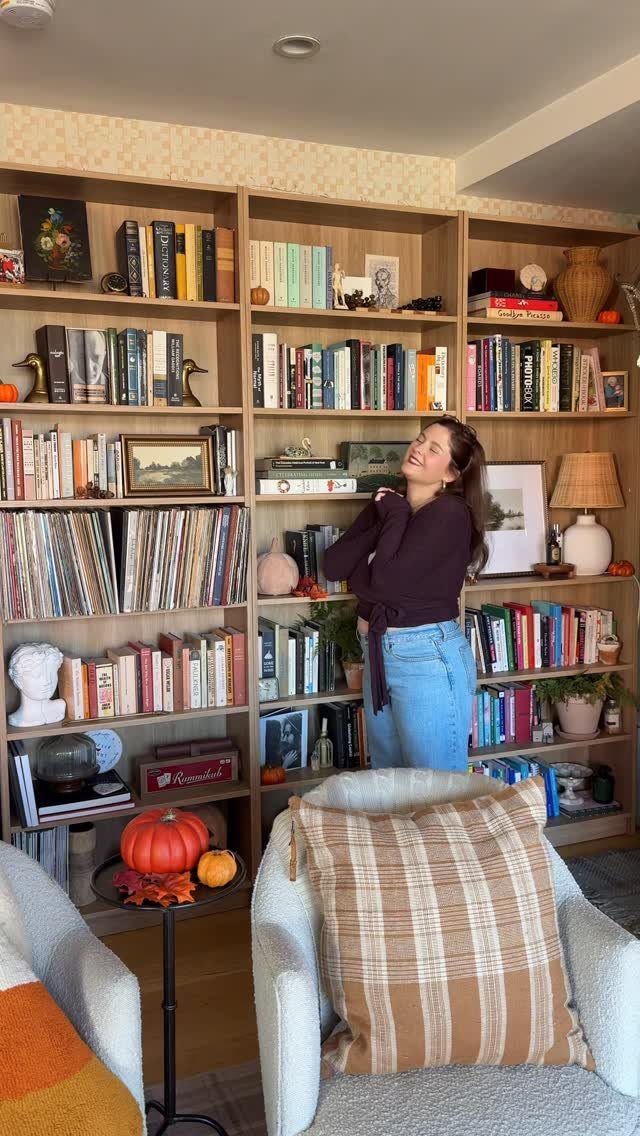
Tall bookcases use wall height instead of floor space, which is what a small house has the most of. Filled with books and decor, they also add the lived-in coziness that bare walls lack.
The owner of this setup called it the best $300 she had ever spent, and I agree that a single big piece can beat many small purchases.
Mix books with a few objects, and leave some gaps so the shelves can breathe.
5. Wall Sconces
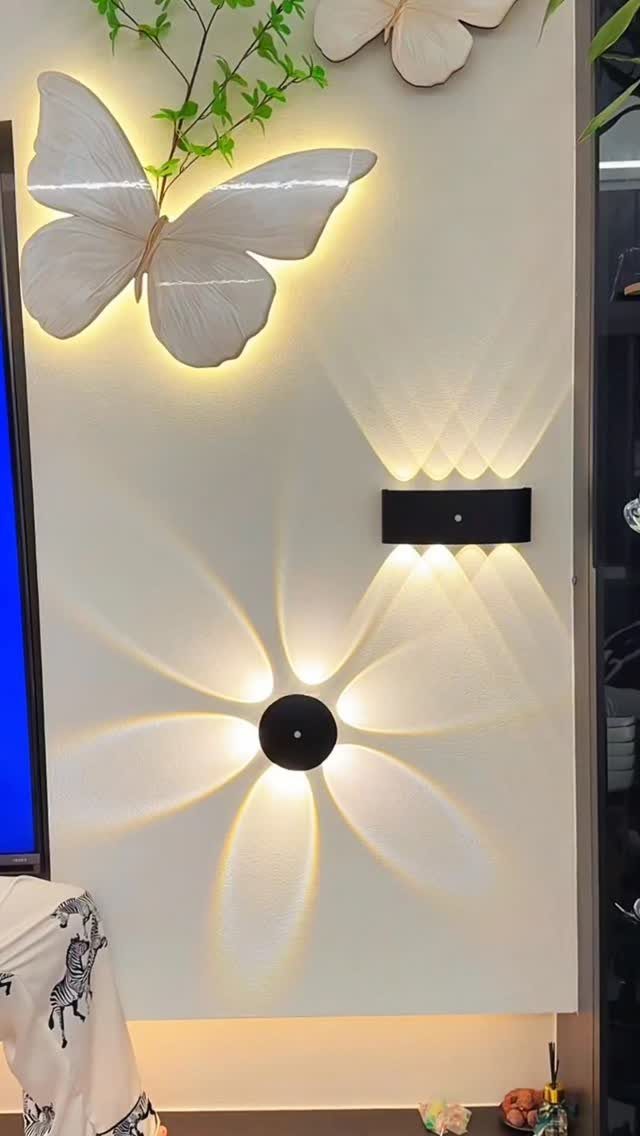
Wall sconces put light at eye level without taking up a table or floor, so they suit rooms with no spare surface.
Plug-in versions are the renter’s choice, since they need no electrician. Hide the cord with a cord cover painted to match the wall.
6. Gallery Walls
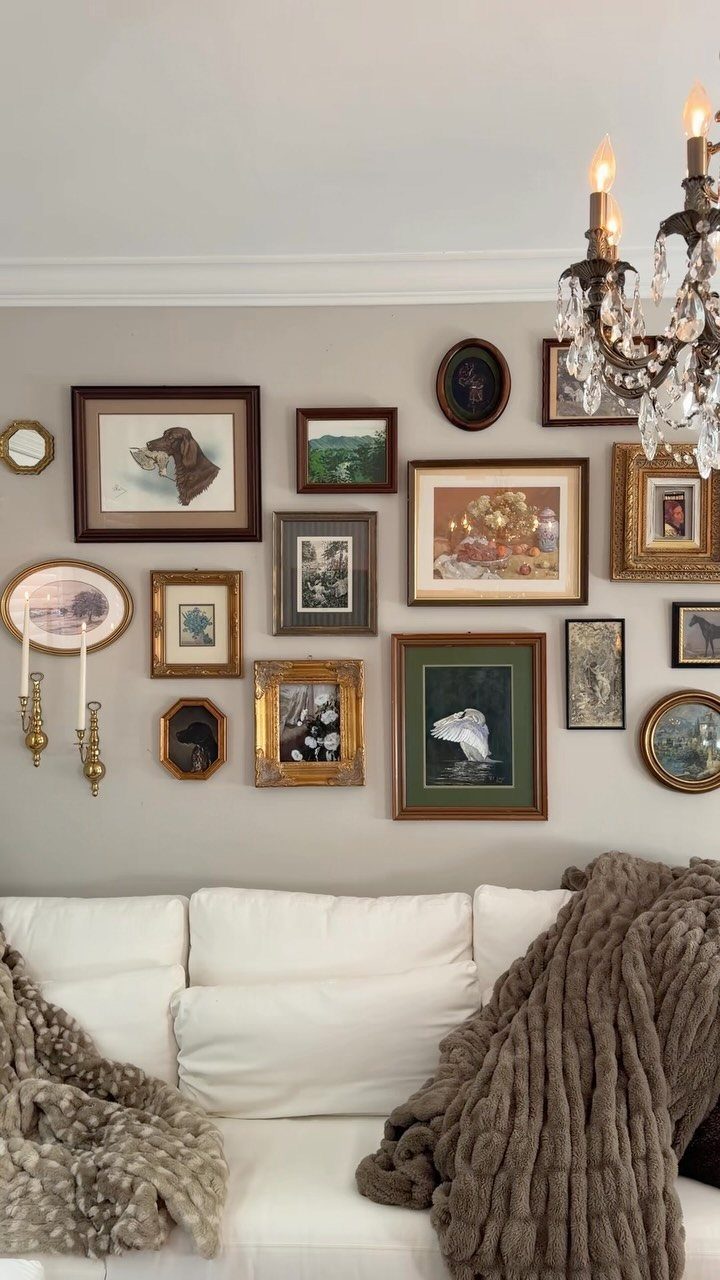
Hang a gallery wall above the sofa and the art becomes the focal point of the room, pulling the eye up and away from the size of the floor plan.
Lay the frames on the floor and shuffle them until the arrangement feels balanced.
Then trace each frame on paper, tape the paper templates to the wall, and hang from those. It saves you from extra nail holes, which matters if you rent.
7. Potted Plants
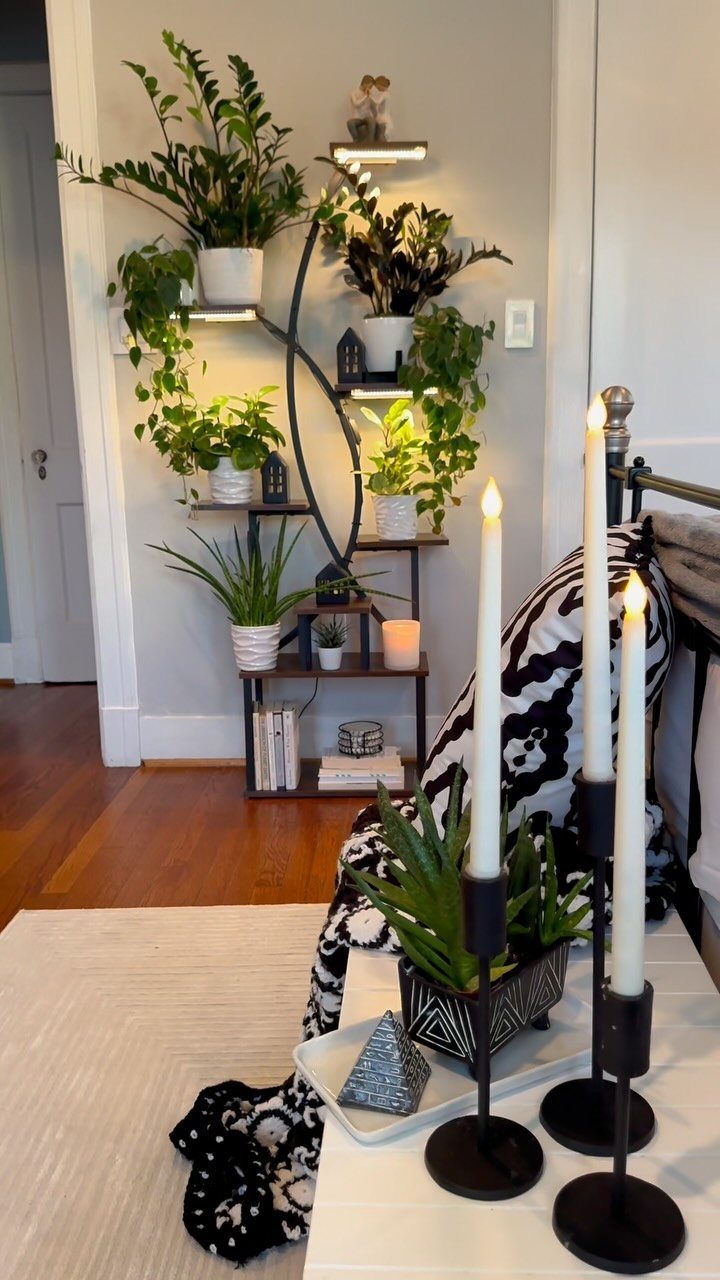
A tiered metal stand stacks several plants into one narrow footprint, so greenery climbs the wall instead of eating floor or surface space. In a small bedroom that is a real gain.
Black metal reads as a thin outline, which keeps the stand from feeling bulky.
I would mix pot sizes and put the trailing plants on the top tier, so the stems fall past the ones below. Candles on a lower shelf are a nice touch, but keep them clear of leaves.
8. Decorative Baskets
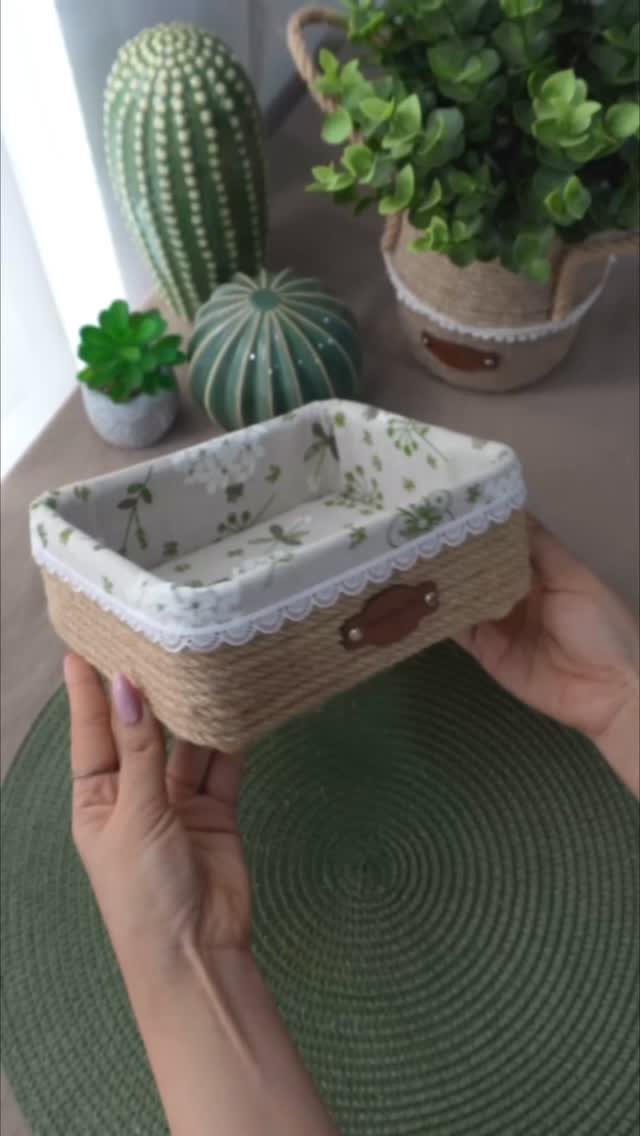
A small rope basket with a fabric lining holds the clutter that has no other home: remotes, chargers, yarn, hair ties. It looks like decor, so the mess never reads as mess.
Choose a lining that suits the room, since it shows every time you reach in.
Fabric also keeps small items from catching on the weave. Several baskets in matching sizes look tidier than one oversized bin, and they are easy to slide onto a shelf or tuck beside a plant.
9. Cushions and Throws
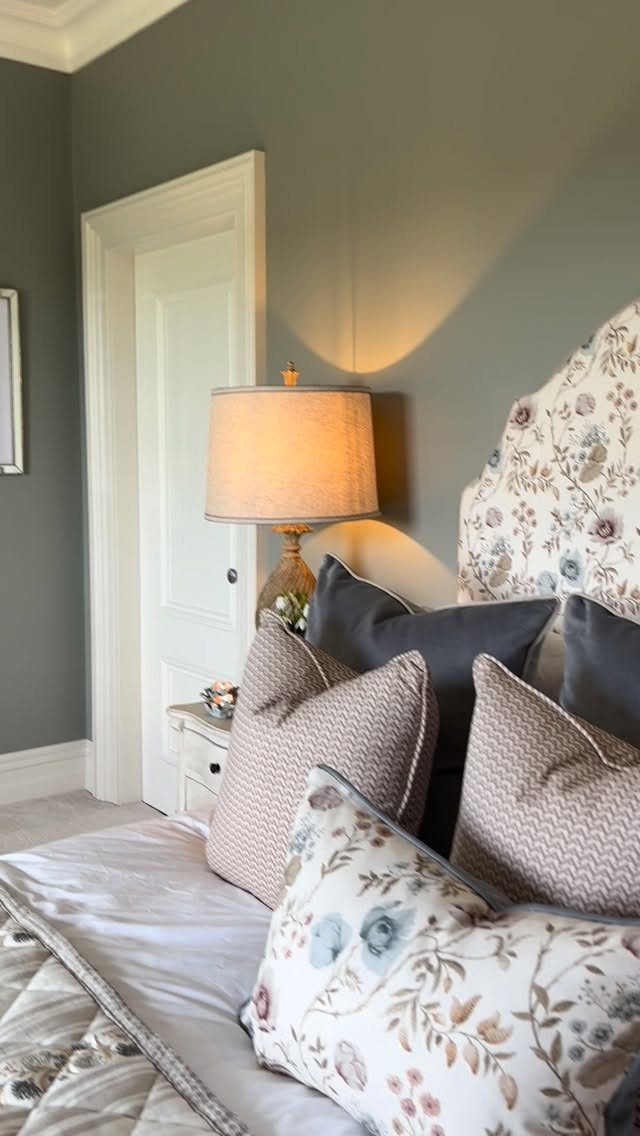
Pillows and a throw are the cheapest way to change a bed or sofa, and they swap out fast. Against a sage green wall, grey cushions in mixed patterns and solids stay calm instead of loud.
I would keep the base shades close, here greys, and let the pattern vary in scale: one floral, one geometric, a few solids. A quilted throw folded across the foot adds texture without another piece of furniture.
Odd numbers of pillows tend to look more relaxed than pairs.
10. Accent Walls
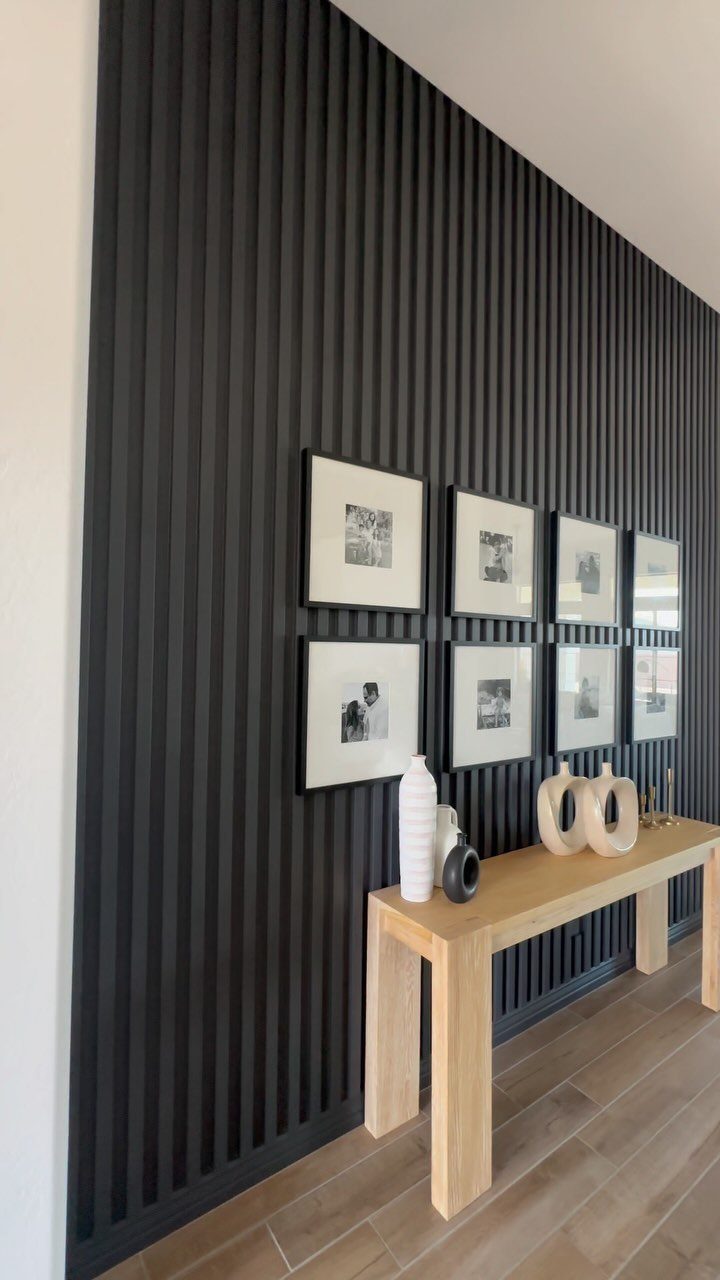
A black slatted wall gives a small room one dark, textured backdrop that makes the furniture in front of it stand out.
Limit the accent to a single wall, ideally the one you see first on entering.
Framed black-and-white photos hung in a grid sit well on it because they share its palette. Slats take more effort than paint, so measure the wall and plan the layout before buying anything.
11. Light Fabrics for Windows
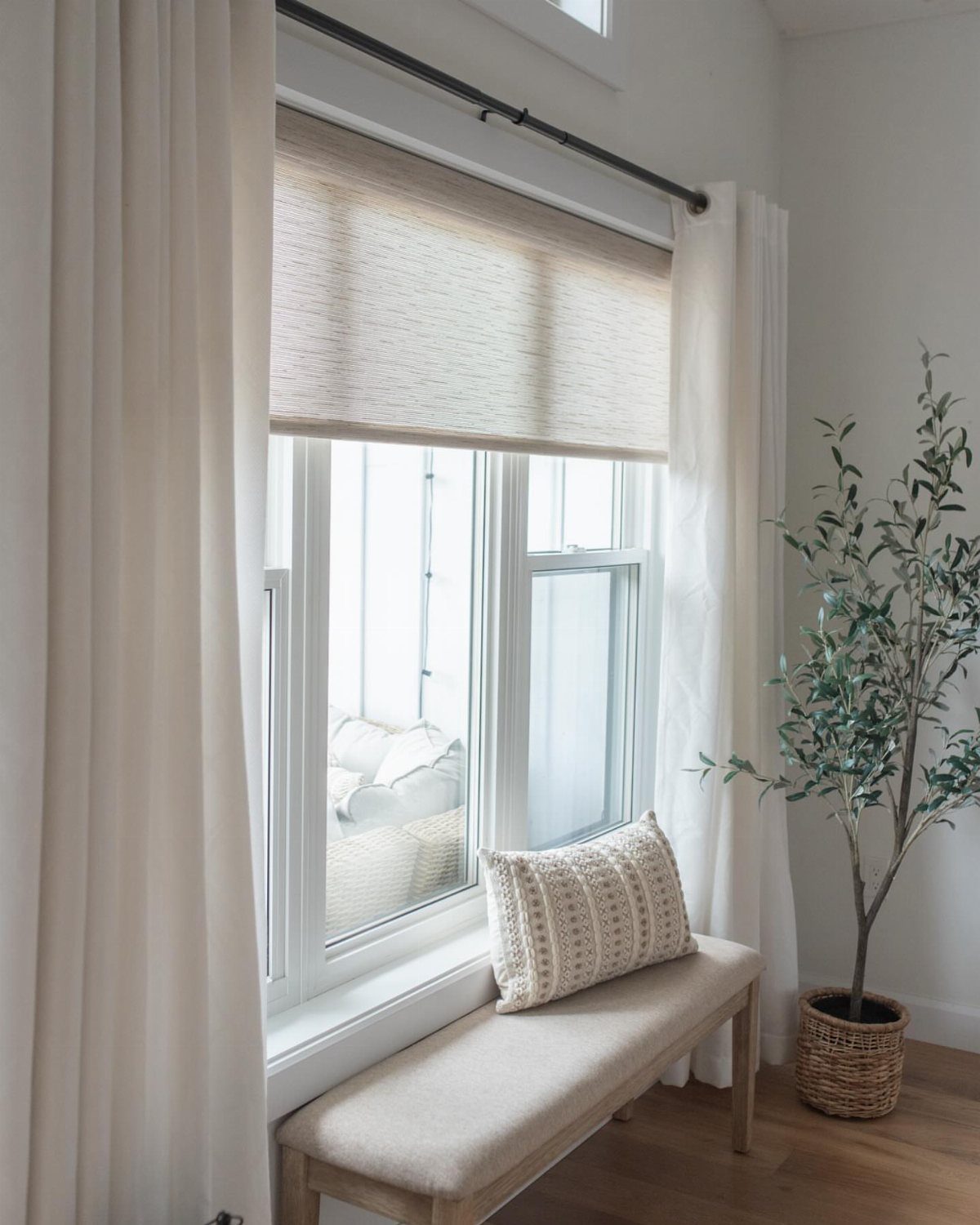
Layering the 2 gives you control without heavy drapes crowding a small window.
Hang the curtain rod higher than the window frame so the glass looks taller. Sheers wrinkle easily, so a quick steam keeps them crisp.
12. Large Mirrors
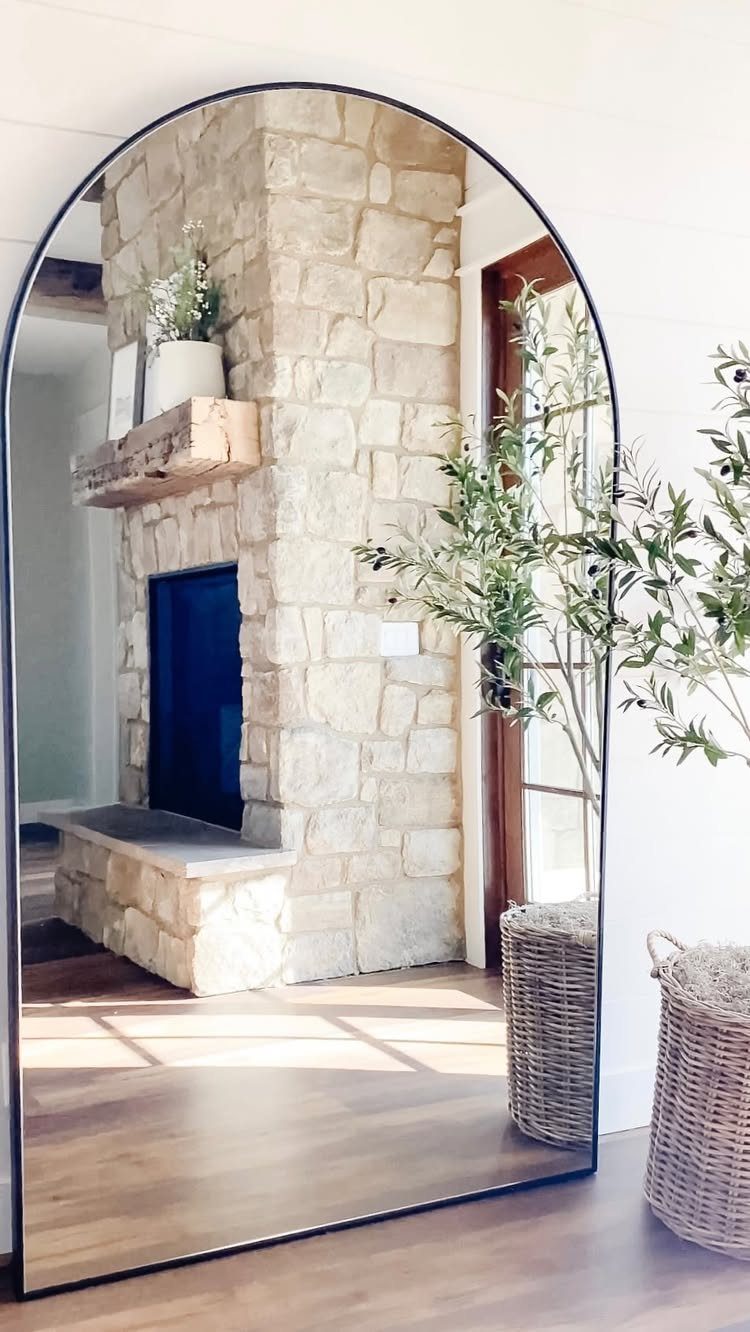
A tall arched mirror leaned on the floor doubles the view of whatever faces it, so put it opposite a window or a feature you like, such as a fireplace or a plant. The room reads as wider and brighter.
The maker of this one said it is just shy of 7′ tall and 4′ wide, which is a good scale for a floor piece: big enough to count as a statement.
Leaning is renter-friendly, since it needs no drilling. Check what it reflects first, because clutter doubles too.
13. Large Area Rugs
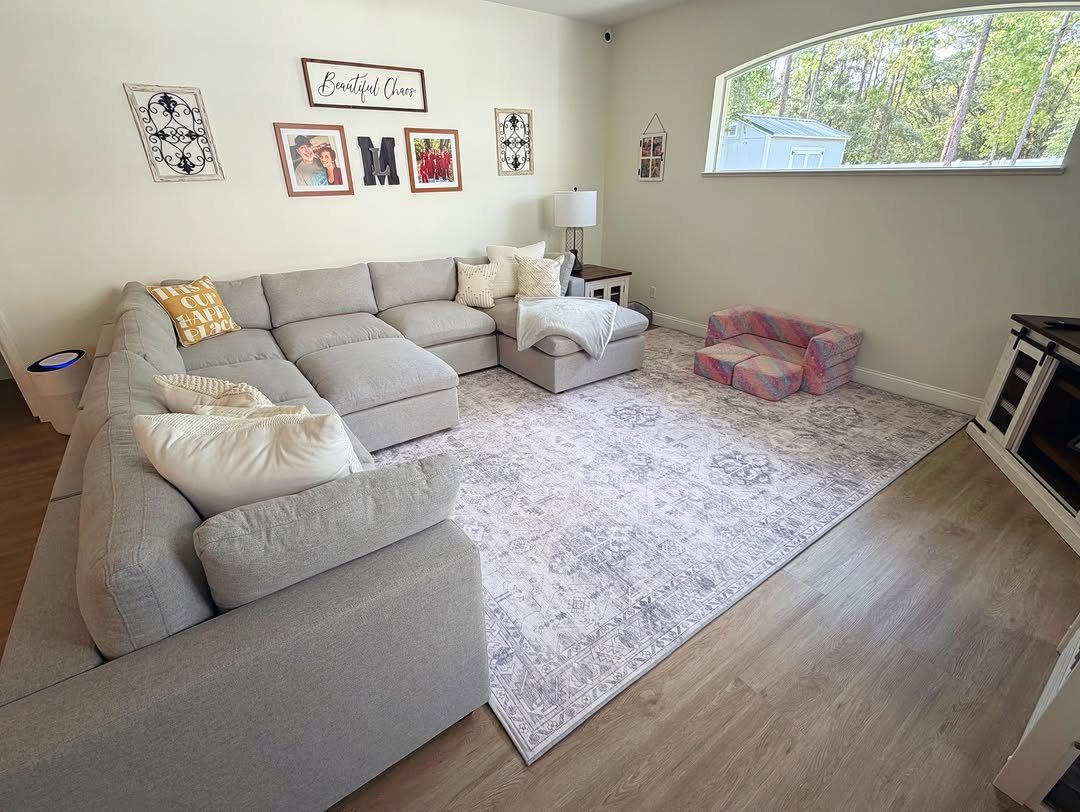
One big rug under a sectional ties the seating into a single zone, so a small living room reads as one planned space instead of scattered pieces. A patterned rug also hides footprints and crumbs better than a solid one.
Pull the rug far enough that at least the front legs of the sofa sit on it. A rug that stops short of the furniture makes the room look smaller, so I would go bigger than feels natural.
A pattern that repeats lightly suits a plain grey sofa, and it keeps the floor busy while the walls stay calm.
A rug this size costs more than a small one, but it replaces the need for extra decor.
Creating a Sense of Openness
Walking space comes before everything else, so arrange the largest pieces first and check that you can cross the room without turning sideways.
Line furniture up along the walls and keep the middle of the room open; that clear center is what makes a small room look bigger.
If one room has to do two jobs, mark the zones with decor instead of walls. A shelf, a rug edge or a change in lighting can split a living area from a dining or work area.
An ottoman pairs well with a sofa, since it works as a footrest and extra seat. A window area can become a seat with storage underneath, which gives odd items a home and uses space that would otherwise sit idle.
Lighter colors on walls and furniture also help. In an open kitchen, a neutral palette on the counters keeps the eye moving instead of stopping.
Seasonal Decor Tips
Seasonal decor works best in a small home when it is small itself.
A few items that fit in one box will refresh a room without crowding it, and the box should fit on a closet shelf or under a bed.
Skip the six-foot tree if floor space is tight. A smaller tree is one option; another is no tree at all, with live greenery, winter-themed candles or cinnamon potpourri filling the room with scent instead.
Look up, too.
Adhesive hooks hold garland from the ceiling without damage, and I hang ornaments, tinsel or paper fans up high where floor space stays clear. Renters can do this without worrying about the paint.
Keep candles away from garland and anything else that burns.
Frequently Asked Questions
What are some good interior design ideas for small spaces?
Furniture on legs, a large mirror and light wall colors give the biggest return.
Open frames show floor underneath, a tall arched mirror doubles the view, and pale shades keep walls from feeling close. Tall bookcases and wall sconces add storage and light without using floor space.
How do I maximize space in my small house?
Use height and furniture that does 2 jobs. Bookcases that stretch toward the ceiling and plant stands with multiple levels claim vertical space, and an ottoman doubles as somewhere to rest your feet or offer a friend a seat.
A bench built into the window frame holds blankets or board games in the cavity below and turns an awkward corner into somewhere to sit.
What colors make a room look bigger?
Whites and soft pastels make a small room read as airy.
Light colors recede, so painting the walls in a single soft tone keeps attention away from the perimeter. Repeat that shade once in the textiles and hold the palette to 2 or 3 lights, because adding more reads as clutter.
What are some good ways to style an apartment?
Pick pieces that work for renters: a leaning floor mirror needs no drilling, and plug-in wall sconces need no electrician.
A large rug ties the seating into one zone, and pillows and a throw change a sofa or bed cheaply. Paper templates taped to the wall let you plan a gallery wall without extra nail holes.





